


Research & development

Greenwood is funding innovative carbon research to inform sustainable landscape design.
At Greenwood, we believe that Every Plant Matters, and we are working to drive environmental change across our industry. In partnership with the Royal Horticultural Society and Sheffield university, we are funding pioneering research into carbon accounting of nursery grown plants and trees

Study
The study analyses the above and below ground carbon content of nursery-grown trees and shrubs at different points in their life cycle. By pairing native and non-native species within the same genus, the design isolates ecological origin from genetics. The aim is to build a data model that quantifies carbon service potential over time, in today’s climate and under the +4°C scenario projected for 2100.

Leadership
The project is a partnership between Greenwood, the Royal Horticultural Society, and Sheffield University. Now in its second year, the research is led by PhD student Louis Kosowicz and supervised by Professor of Ecosystem Sustainability Jill Edmondson and Dr Holly Croft at Sheffield University, alongside RHS Head of Environmental Horticulture Dr Mark Gush. The programme runs through to 2028.

Aim
Despite being one of the biggest factors in mitigating climate change, there is a gap in knowledge when it comes to accurately accounting for the carbon sequestration of plants and trees. By funding this innovative research, we aim to develop a greater understanding of the carbon dynamics and long-term benefits of specific cultivars of plants, providing valuable data to inform sustainable landscape design.
Methodology
The research combines field and controlled experiments at two sites. At RHS Garden Wisley, 56 trees across 9 species commonly planted in urban centres are being monitored to track how their carbon storage changes over time. In parallel, climate-controlled growth chambers at the University of Sheffield are used to test 11 tree species under both current temperatures and the conditions projected for 2100, with native and non-native species paired within the same genus to compare how each responds. Together, the data will build a clearer picture of how much carbon nursery-grown plants store, and how this changes once they are in the ground.
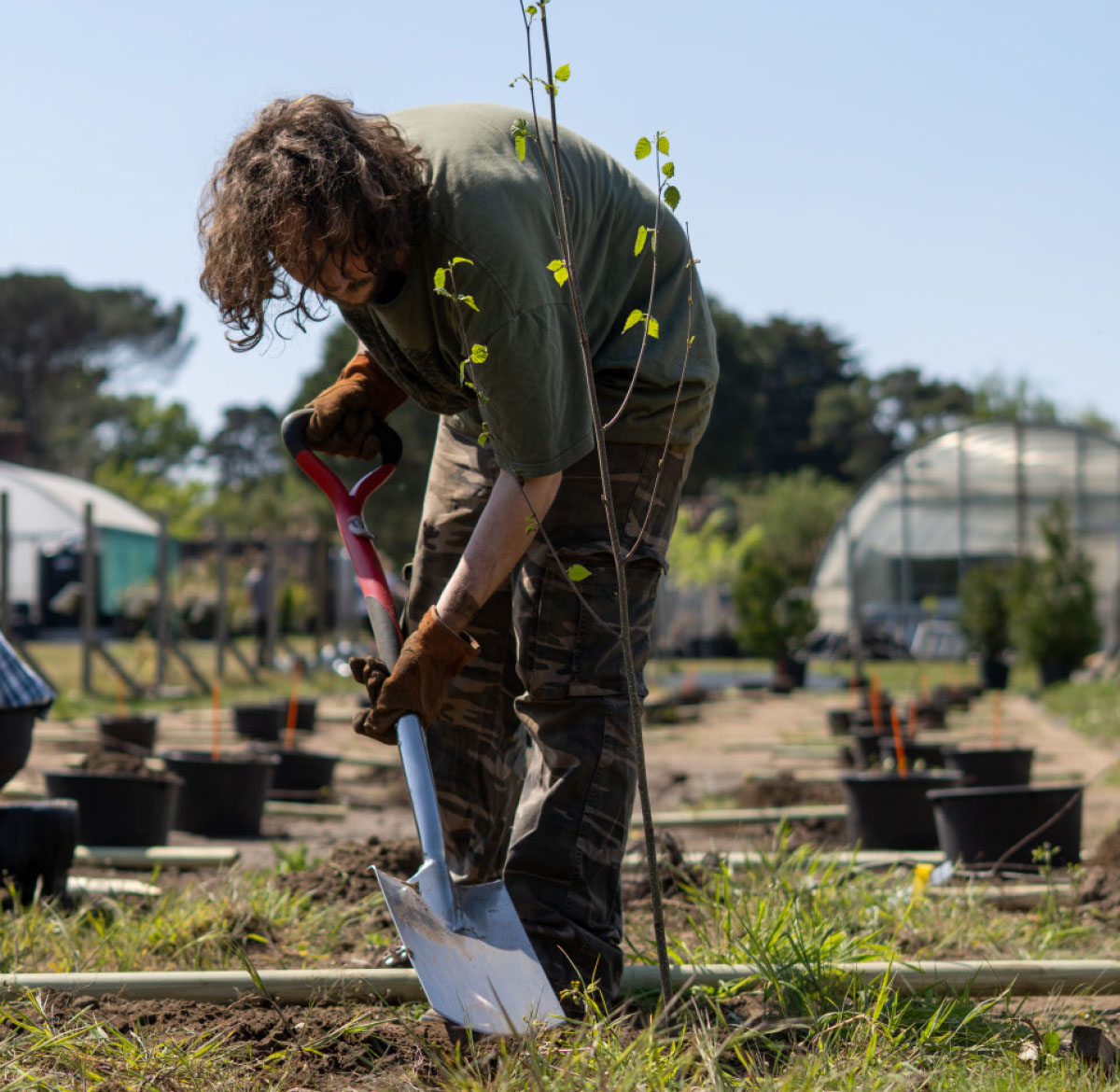
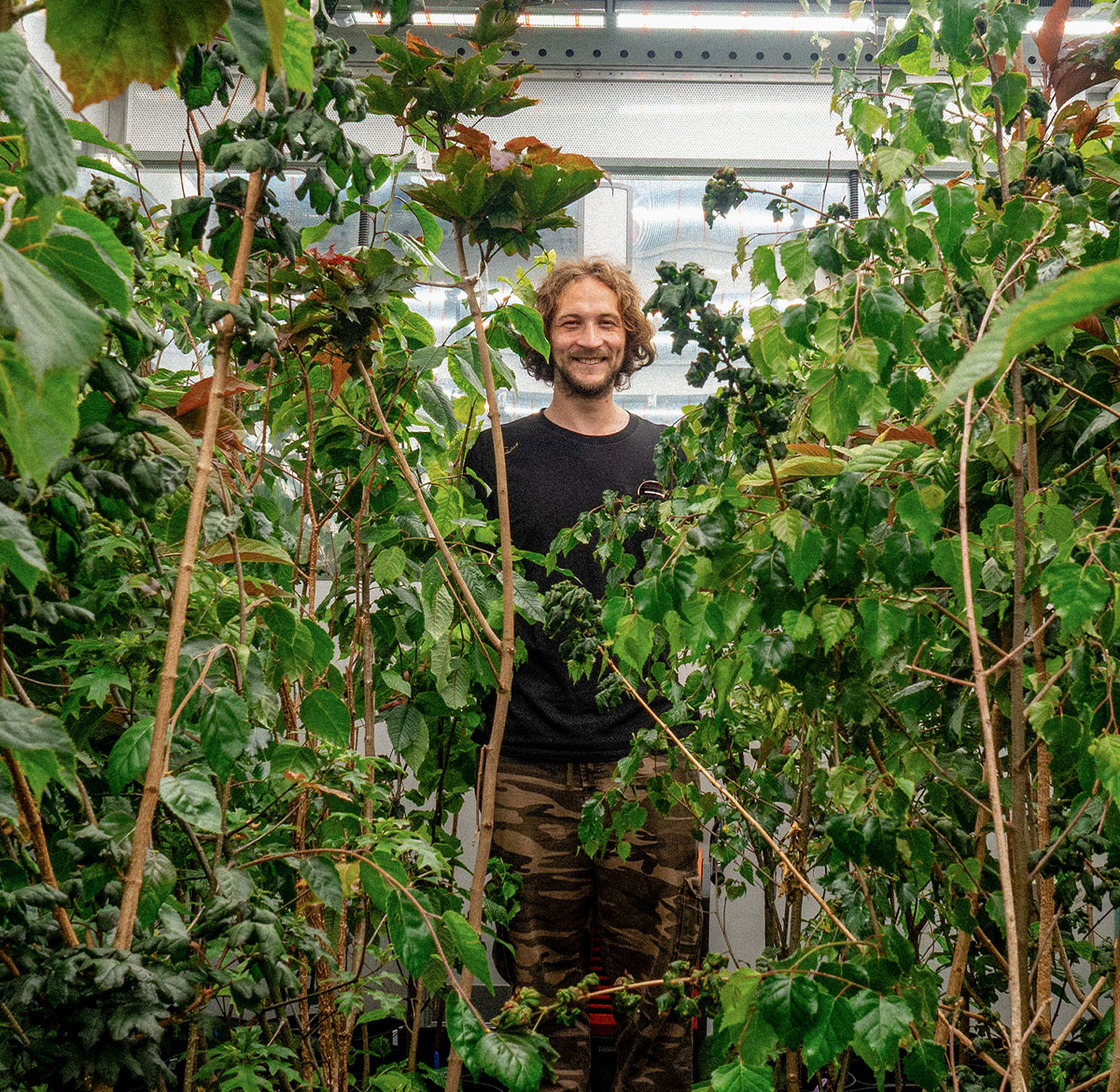
Photography by Laura Clark
Progress
The project is now in its second year, with early trials showing promising results. Field trials at RHS Wisley are established and being monitored, and data collection is in progress at both Wisley and Sheffield. Despite a challenging first summer with periods of high temperatures, the young trees have responded well, offering valuable insights into how species adapt to environmental stress. As the study continues, data from both field and laboratory experiments will be combined to refine the predictive carbon model, paving the way for more informed, sustainable planting decisions across the landscape industry.
Next steps
The next stage expands the research into shrubs, which play a major role in carbon storage but are often overlooked. A field trial of 30 plants across 6 species, including evergreens and broadleafs, begins at Wisley in summer 2026.
As results come in, they will be turned into practical tools and guidance for the landscape industry, helping designers, developers, and local authorities choose plants that deliver long-term carbon benefits.