


Hardy plants for cold tolerance
Helping planting schemes to thrive in extreme winter conditions
The UK climate is often described as mild, but it is also highly variable. Winters can shift quickly from wet and temperate to periods of sharp frost, prolonged cold, or sudden temperature drops. In recent years, climate change has increased this unpredictability. While average temperatures are rising overall, extreme weather events are becoming more frequent. This includes cold snaps, late frosts in spring, and longer periods of freezing conditions, all of which place stress on planting schemes that are not designed with resilience in mind.
For landscapers, designers, and land managers, this creates a challenge. Planting schemes must now cope with fluctuating conditions rather than a stable seasonal pattern. Cold tolerant plants are increasingly important, not only for surviving winter but for maintaining structure, appearance, and ecological value through colder months and unexpected frost events.
What makes a plant cold tolerant?
Cold tolerance is a plant’s ability to survive low temperatures without suffering permanent damage. This does not mean growth continues through winter, but that the plant can protect its tissues until conditions improve. Cold tolerant plants are often native to regions with harsh winters or variable climates, and over time they have developed physical and chemical adaptations that allow them to endure freezing temperatures.
Some plants are hardy because their cells can tolerate ice forming between them, while others avoid freezing altogether by lowering the temperature at which their tissues freeze. Many cold tolerant plants also enter a period of dormancy, slowing growth and conserving energy until warmer conditions return.
Cold weather affects plants in several ways. Frost can damage plant cells when ice crystals form inside the tissue, causing cell walls to rupture. Repeated freezing and thawing can be particularly harmful, as it places ongoing stress on roots and stems. Cold winds increase moisture loss, especially in evergreen plants, leading to winter desiccation where leaves dry out faster than roots can replace lost water.
Waterlogged soils during winter add another risk. Frozen ground prevents roots from taking up water, while saturated soils reduce oxygen availability, weakening plants and increasing the risk of root rot. Young plants and recently planted stock are especially vulnerable, as their root systems are not yet well established.
Cold tolerant plants use a range of survival strategies. Many produce sugars and proteins that act like natural antifreeze, lowering the freezing point of their cells and protecting internal structures. Others have thick, waxy leaves or needle-like foliage that reduces water loss and minimises exposure to frost. Deciduous plants avoid damage by shedding their leaves entirely, removing the most vulnerable tissue before winter arrives.
Some species develop deep or wide-spreading root systems that allow them to access moisture even when surface soils freeze. Buds are often protected by tough outer scales, and stems may harden in autumn through a process known as lignification, which strengthens tissues against cold damage.
The Royal Horticultural Society hardiness rating system is a useful guide when selecting plants for cold conditions. It categorises plants based on the minimum temperatures they can tolerate.
Plants rated H7 are fully hardy and can withstand temperatures below minus 20 degrees Celsius, making them suitable for all UK conditions. H6 plants tolerate severe winters down to around minus 15 degrees, while H5 plants cope with typical UK winters but may suffer in prolonged cold or exposed sites. Using these ratings helps designers match plants to site conditions, especially in open, elevated, or frost-prone locations.
Cold-tolerant plants we recommend:

Cornus alba ‘Sibirica’
Cornus alba ‘Sibirica’ (RHS H7)
A fully hardy deciduous shrub grown primarily for its bright red stems, which become most vivid after leaf fall in winter. It tolerates heavy clay soils, waterlogging, and prolonged frost, and responds well to hard pruning, which encourages strong new growth and improved winter colour.
Pinus mugo (RHS H7)
A slow-growing, compact pine native to high-altitude regions of central Europe, where it is exposed to snow, ice, and freezing winds. Its dense needle structure and resin-rich foliage reduce moisture loss and protect tissues from frost damage, making it suitable for exposed sites and poor, free-draining soils.
Ilex aquifolium (RHS H7)
A native evergreen shrub or small tree with thick, leathery leaves that provide natural protection against cold, wind, and desiccation. It remains structurally strong through winter and is highly adaptable, performing well in shade, full sun, and a wide range of soil types.
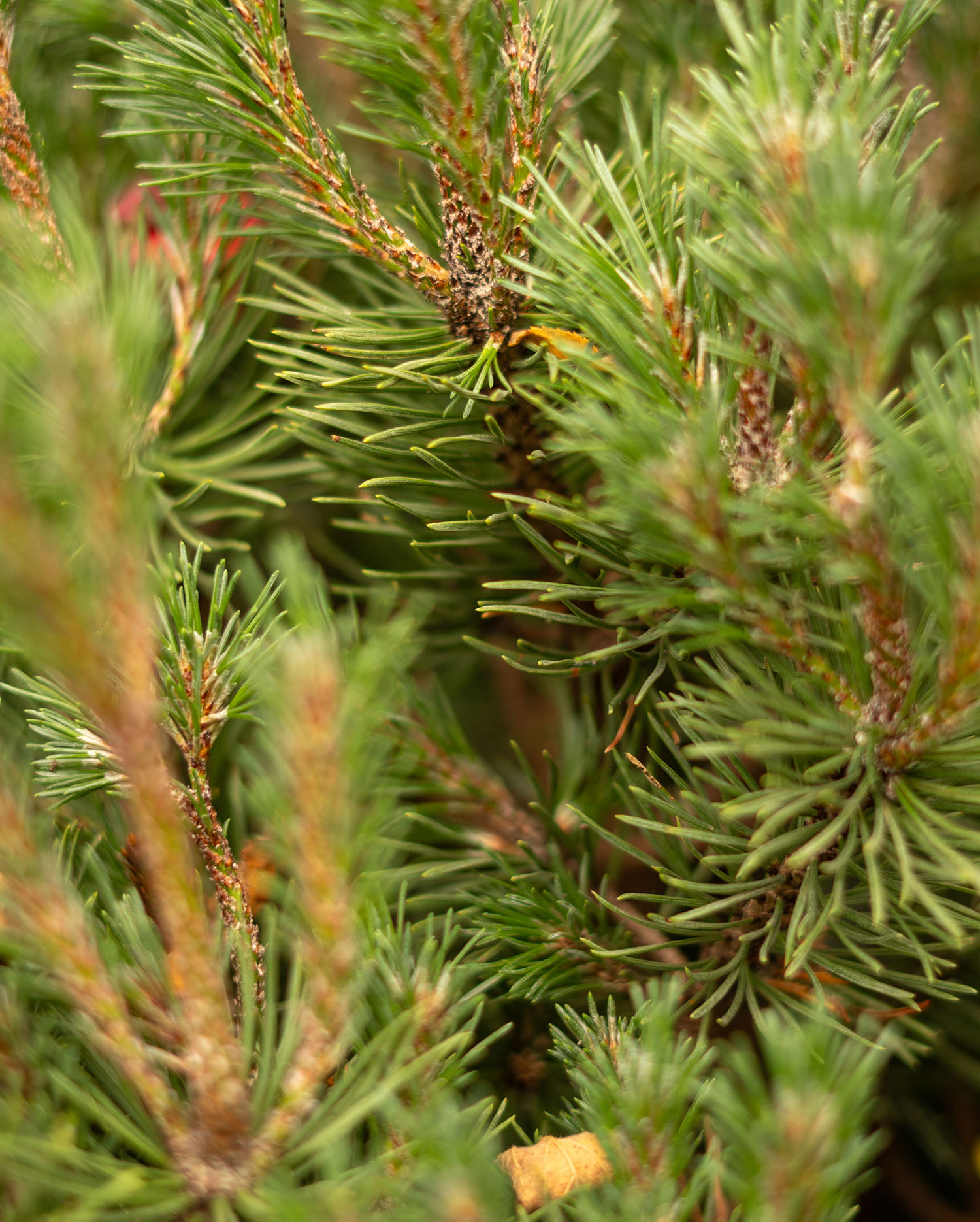
Pinus mugo ‘Mops’
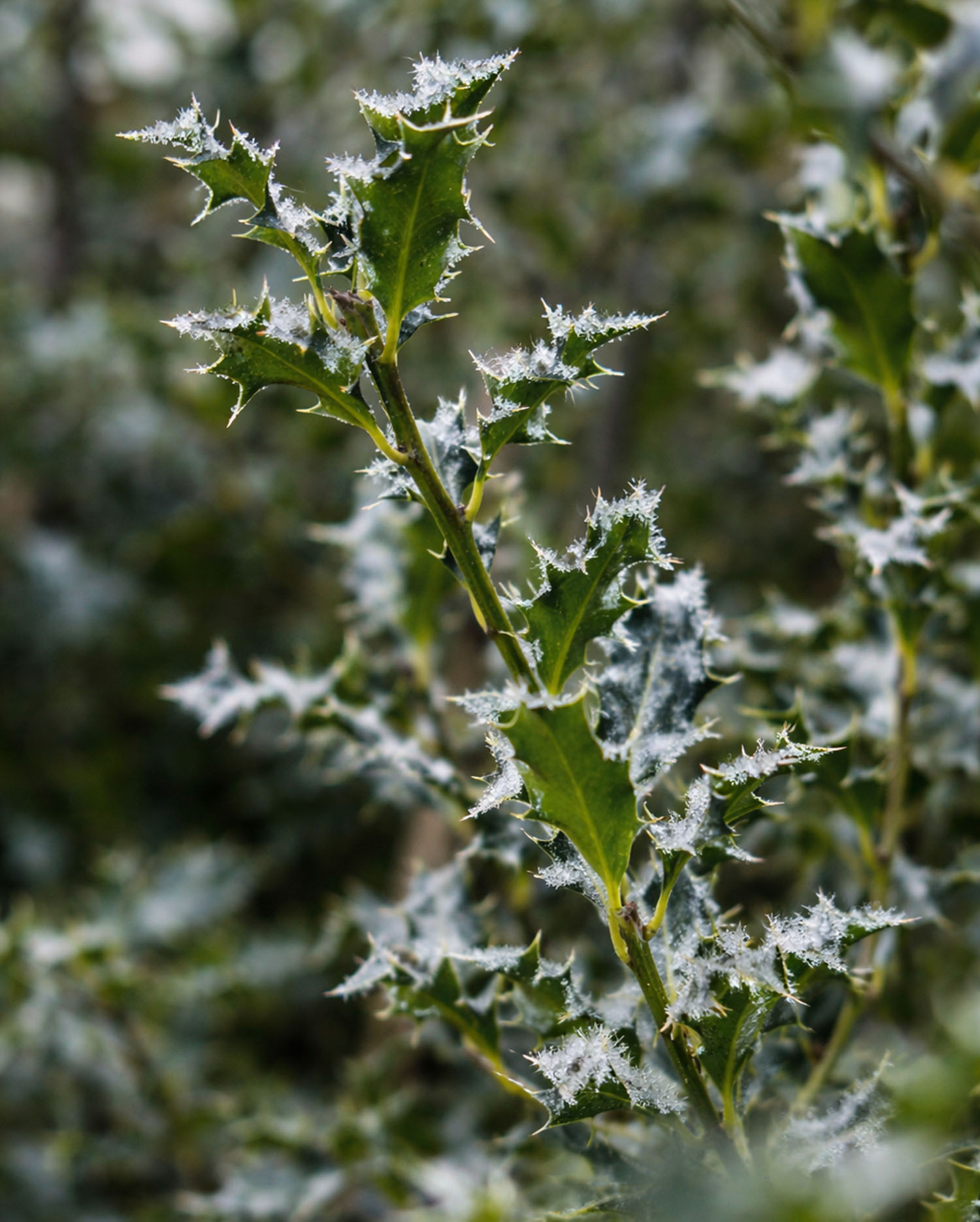
Ilex aquifolium
Helleborus × hybridus (RHS H6)
A hardy perennial that flowers from late winter into early spring, often during periods of frost. Its evergreen foliage insulates the crown, while its deep root system allows it to continue taking up water in cold soils, supporting reliable flowering even in harsh winters.
Betula pendula (RHS H7)
A fast-growing deciduous tree native to northern Europe and parts of Asia, well adapted to cold climates. Its pale bark reflects winter sunlight, reducing temperature fluctuations within the trunk, while its light canopy structure allows it to withstand snow loading and winter winds.
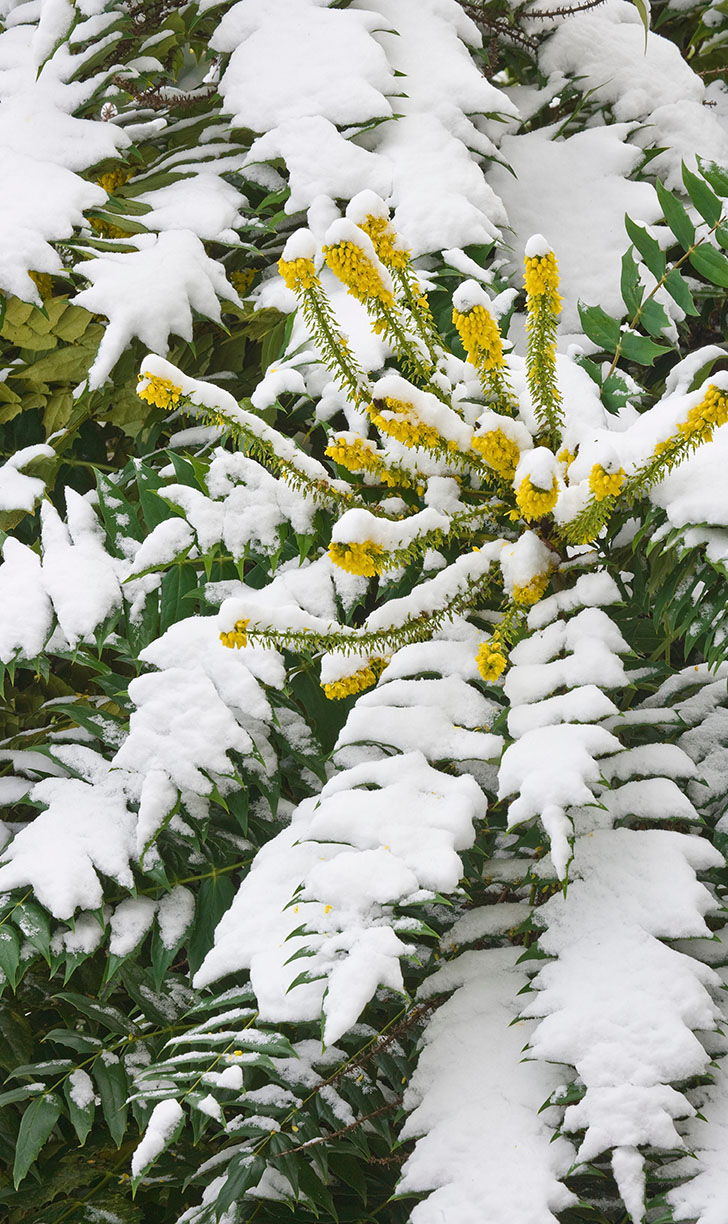
Mahonia × media ‘Charity’ (RHS H6)
An evergreen shrub valued for its architectural foliage and winter flowers. The thick, spiny leaves are well adapted to frost and cold winds, while its upright habit provides shelter in winter planting schemes, particularly in shaded or urban environments.
Carpinus betulus (RHS H7)
A very hardy deciduous tree widely used for hedging and avenues in the UK. It tolerates severe frost, wind exposure, and heavy soils, and often retains its dead leaves through winter, providing structure, screening, and protection in cold conditions.

Betula pendula

Mahonia × media ‘Charity’

Carpinus betulus
As weather patterns continue to shift, planting schemes must prioritise resilience. Cold tolerant plants reduce replacement costs, maintain visual structure through winter, and support wildlife during harsh conditions. By understanding how plants respond to cold and selecting species suited to the realities of the UK climate, landscapes can remain functional, attractive, and robust even during extremity spells of frost. Designing with cold tolerance in mind is a practical response to a changing climate and an essential part of future-focused planting design.
If you would like more information on the different kinds of cold-tolerant plants we grow and sell, speak to the G Team today.