


Choosing and caring for newly planted trees
Matching the tree to the ground it goes into, and getting it through its first few years
National Tree Week, run each year by The Tree Council, marks the start of the winter planting season, when bare-root and rootballed trees can be lifted from the field and planted while they are dormant. Over the following months schools, community groups, councils, landowners and contractors will put a great many young trees into the ground, from single trees in school grounds to new hedgerows and small woodlands.
Greenwood grows the trees given to communities through the National Highways Community Trees Programme, which The Tree Council manages on National Highways’ behalf. This year the programme is supporting around 40 projects across England, where schools, community groups, parish councils, charities and local volunteers are planting new hedgerows, small woodlands and green spaces in their own neighbourhoods. Greenwood grows the trees, The Tree Council connects them with the groups that plant them through its community networks, and National Highways supports environmental improvement projects across the country.
The trees are native, chosen because they suit local soils and climate and support the insects, birds and mammals that have evolved alongside them. They are grown from seed and supplied mostly as young bare-root whips, so this is one of the busiest times of the year in our nurseries.
Whatever the size of the scheme, the trees that do well tend to share two things. They were chosen for the ground they were actually planted in, and somebody looked after them through the first three summers. Both are decisions that can be made well before the first tree arrives on site.
Reading the site before choosing a tree
Soil type is the first clue a site gives, because chalk, heavy clay, free-draining sand and acid ground each suit a different group of trees. A spade’s depth of digging, or a look at which trees already grow well nearby, tells you a great deal about what will thrive.
Ground that holds water through the winter can drown the roots of many species, while thin, free-draining soil over chalk or sand dries out quickly in summer. Light, exposure and wind narrow the choice further, since a hilltop field edge and a sheltered courtyard suit very different trees.
The tree should be chosen for the size it will reach in twenty or thirty years, not the size it is on delivery, with room for the crown above and the roots below, and a sensible distance from buildings, overhead cables and underground services. This is the factor most often underestimated on a planting plan. It is also worth being clear about what the tree is for, whether that is shade, screening, food for wildlife, a hedge line or a woodland edge, since that purpose shapes which species is the right one.
Native trees for different sites
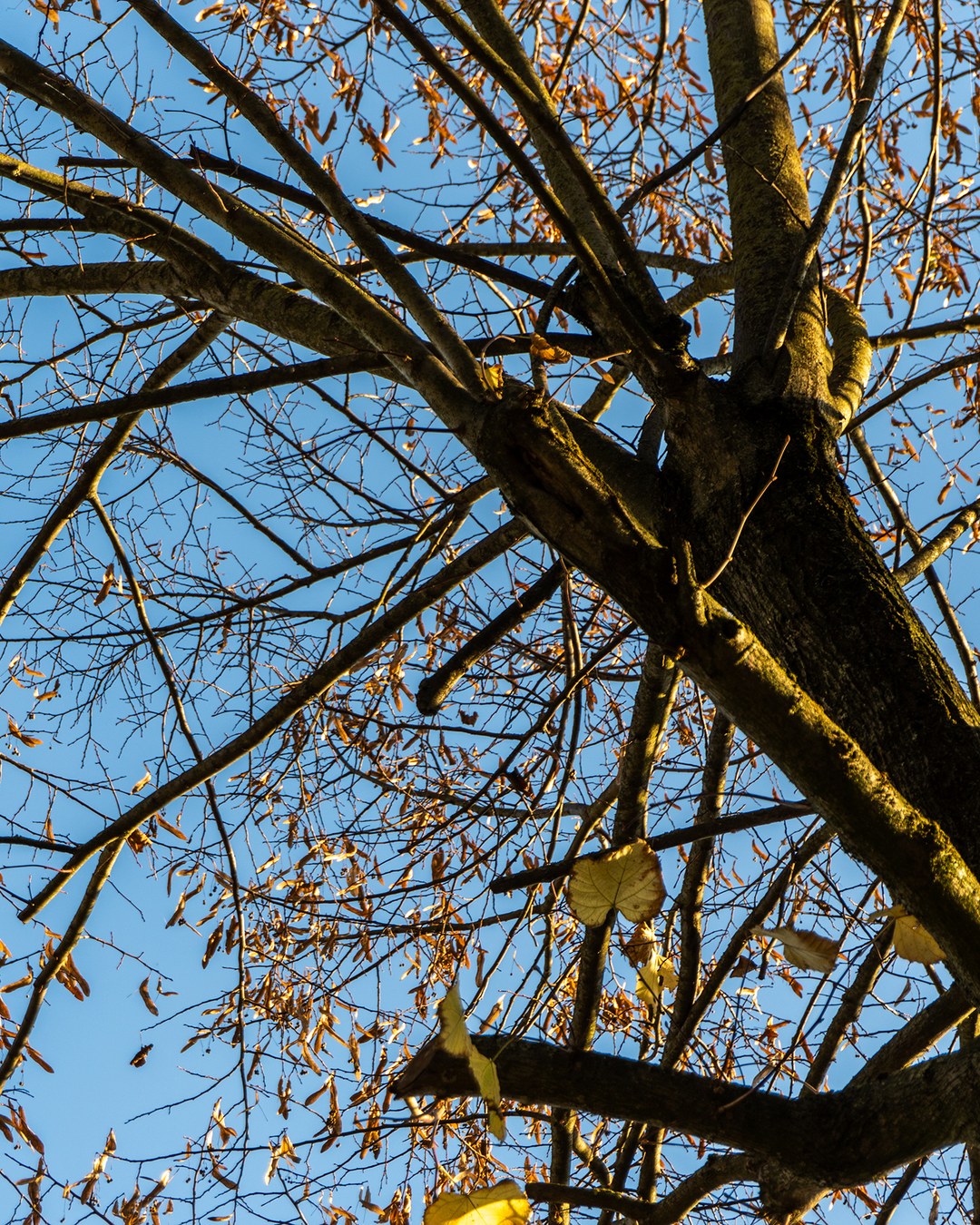
Alnus glutinosa
Commonly known as alder, Alnus glutinosa is a native tree of riverbanks and wet woodland that copes with soil that stays waterlogged for long periods. Its roots carry nodules that fix nitrogen from the air, which helps it grow on poor ground. The small cones hold seed through the winter and are taken by siskins and redpolls. A natural choice for damp hollows, pond edges and the margins of drainage features, and quick to establish.
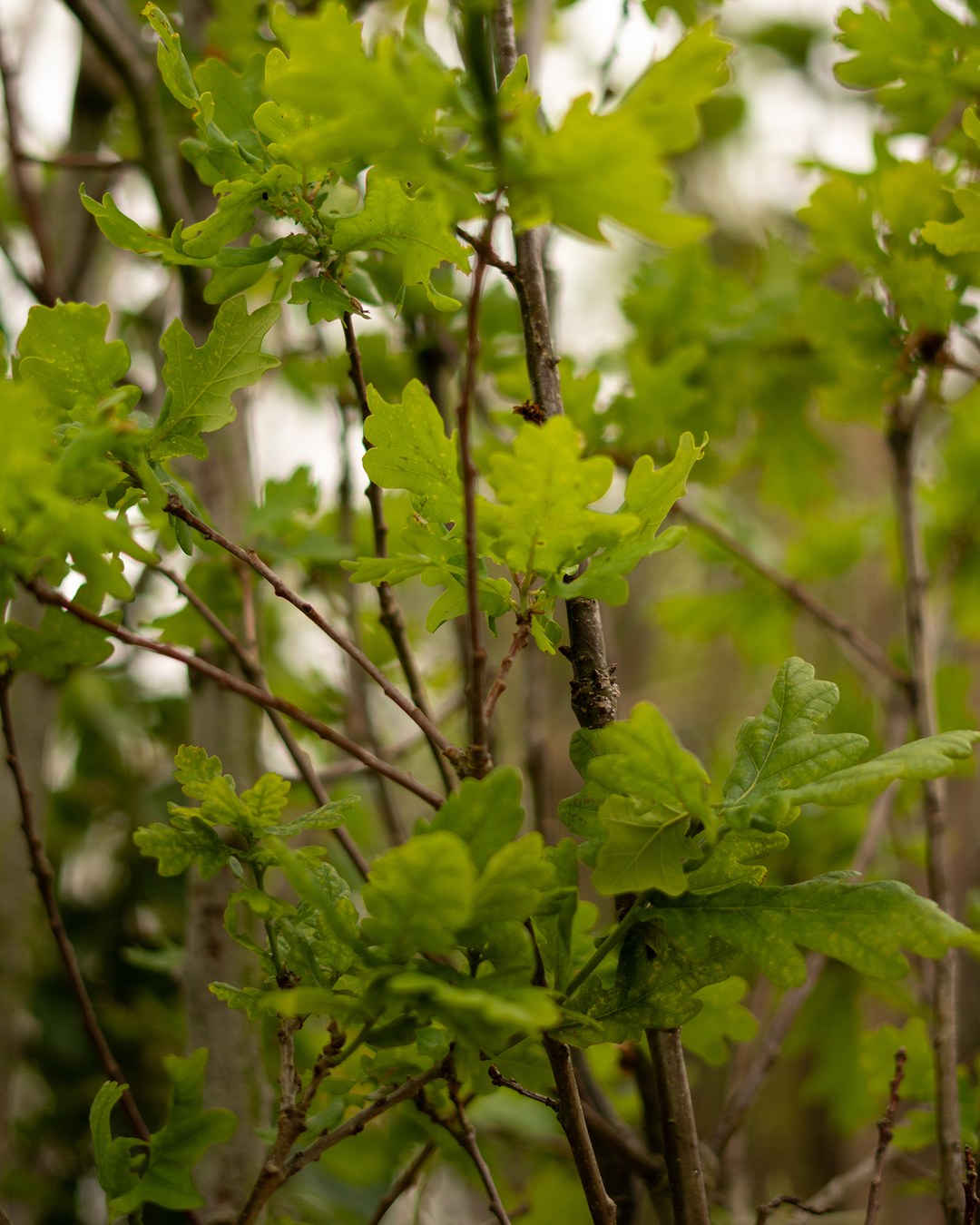
Quercus robur
Commonly known as English oak, Quercus robur supports more wildlife than any other native tree in Britain, with the Woodland Trust putting the figure at up to 2,300 species. It grows well on heavy clay and deep, fertile soils, and is long-lived and slow to start. A mature oak can spread to around 20m, so it belongs in parks, field corners, woodland planting and large open spaces rather than close to buildings. Plant it young where possible, since small oaks settle far more easily than large ones.
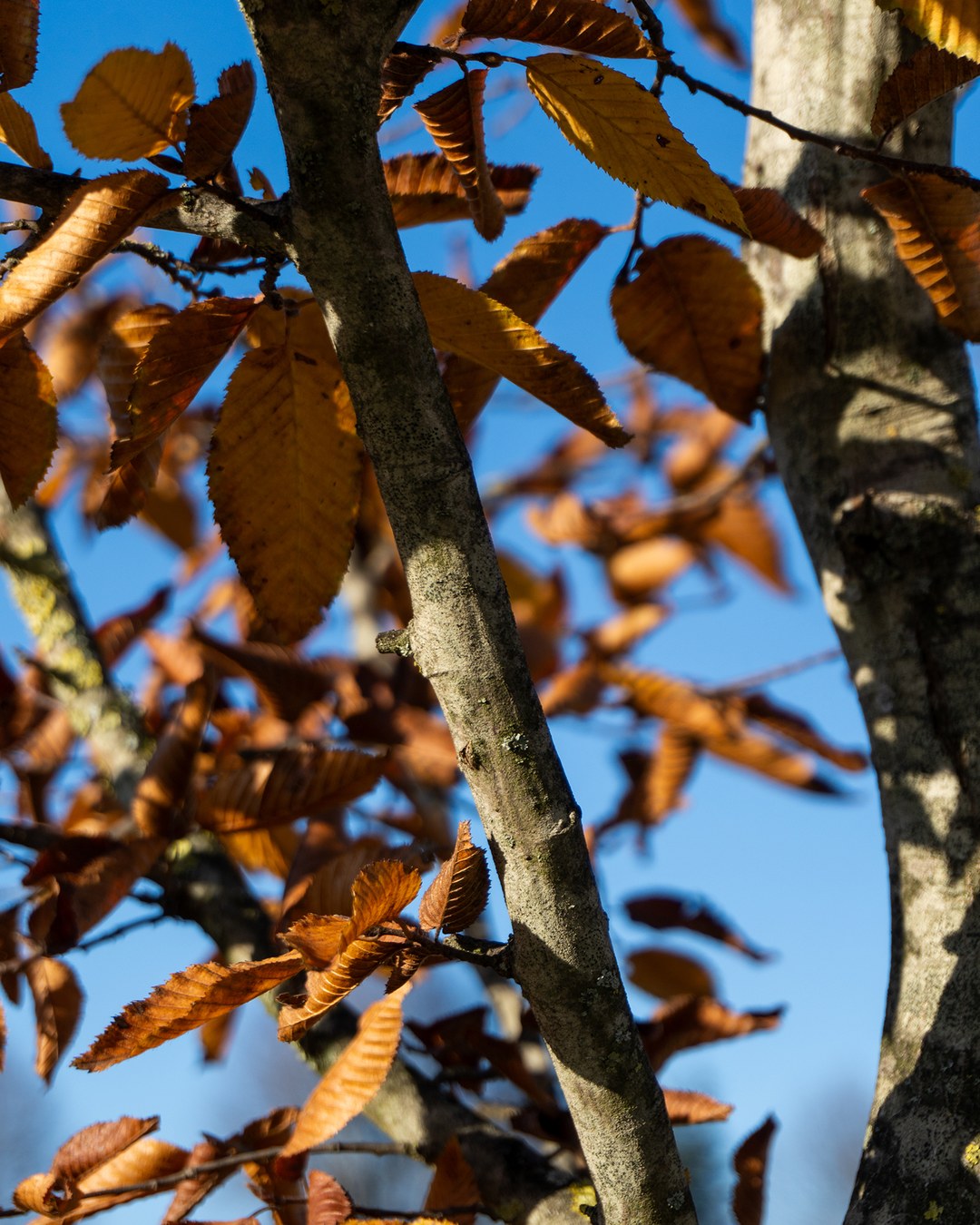
Carpinus betulus
Commonly known as hornbeam, Carpinus betulus is a native tree with ribbed, oval leaves that turn yellow in autumn, and smooth, fluted grey bark. It copes well with heavy clay and with partial shade, and young or clipped plants often hold their dead leaves through the winter, which makes it as useful in hedging as it is as a tree. A dependable choice for clay sites where beech can struggle.
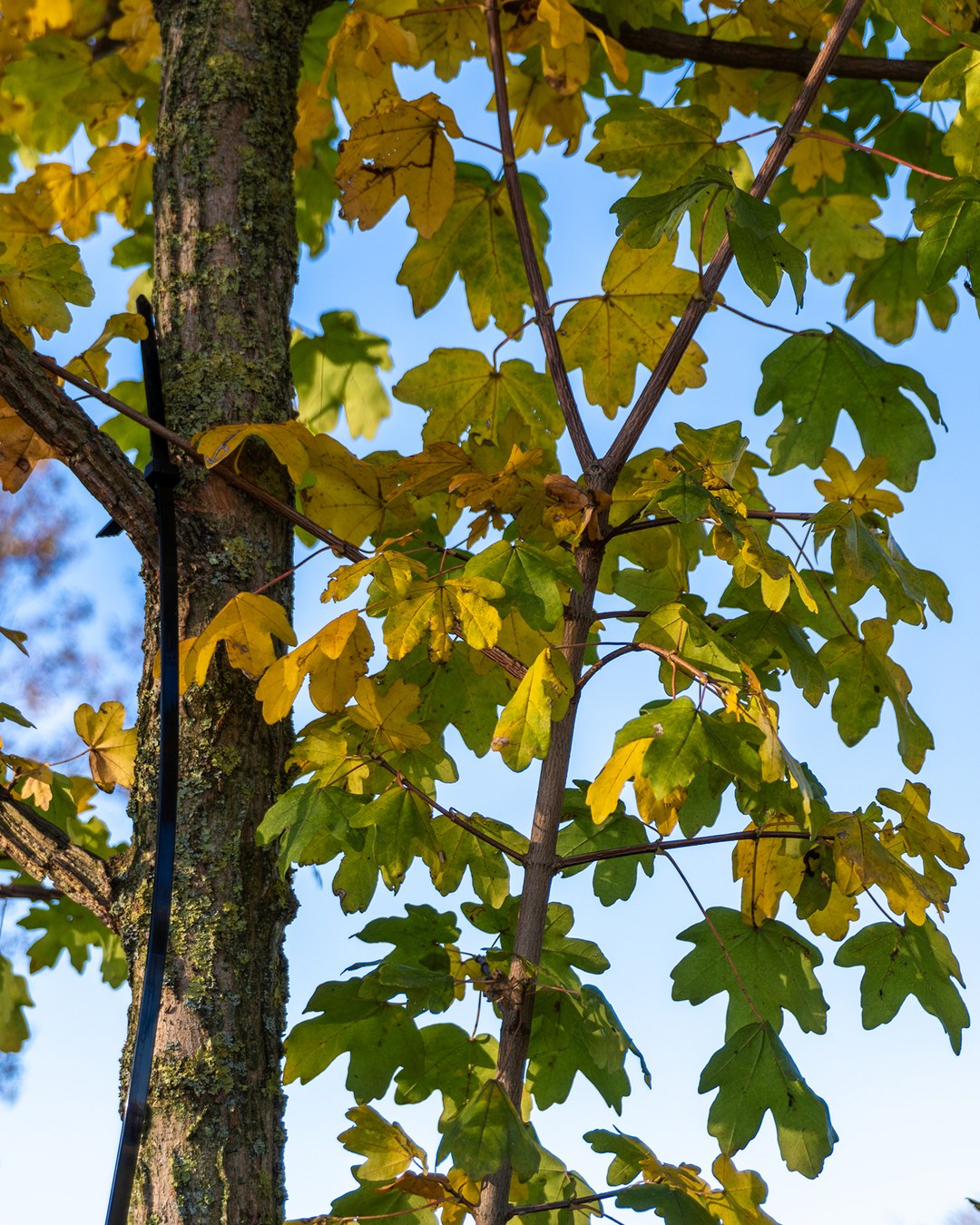
Acer campestre
Commonly known as field maple, Acer campestre is a small to medium-sized native tree with lobed leaves that turn buttery yellow in autumn. It is at home on chalk and limestone, copes with dry soil and urban conditions, and suits amenity planting, hedgerows and road verges equally well. It takes clipping, so it can be grown as part of a hedge or left to develop as a tree.
Betula pendula
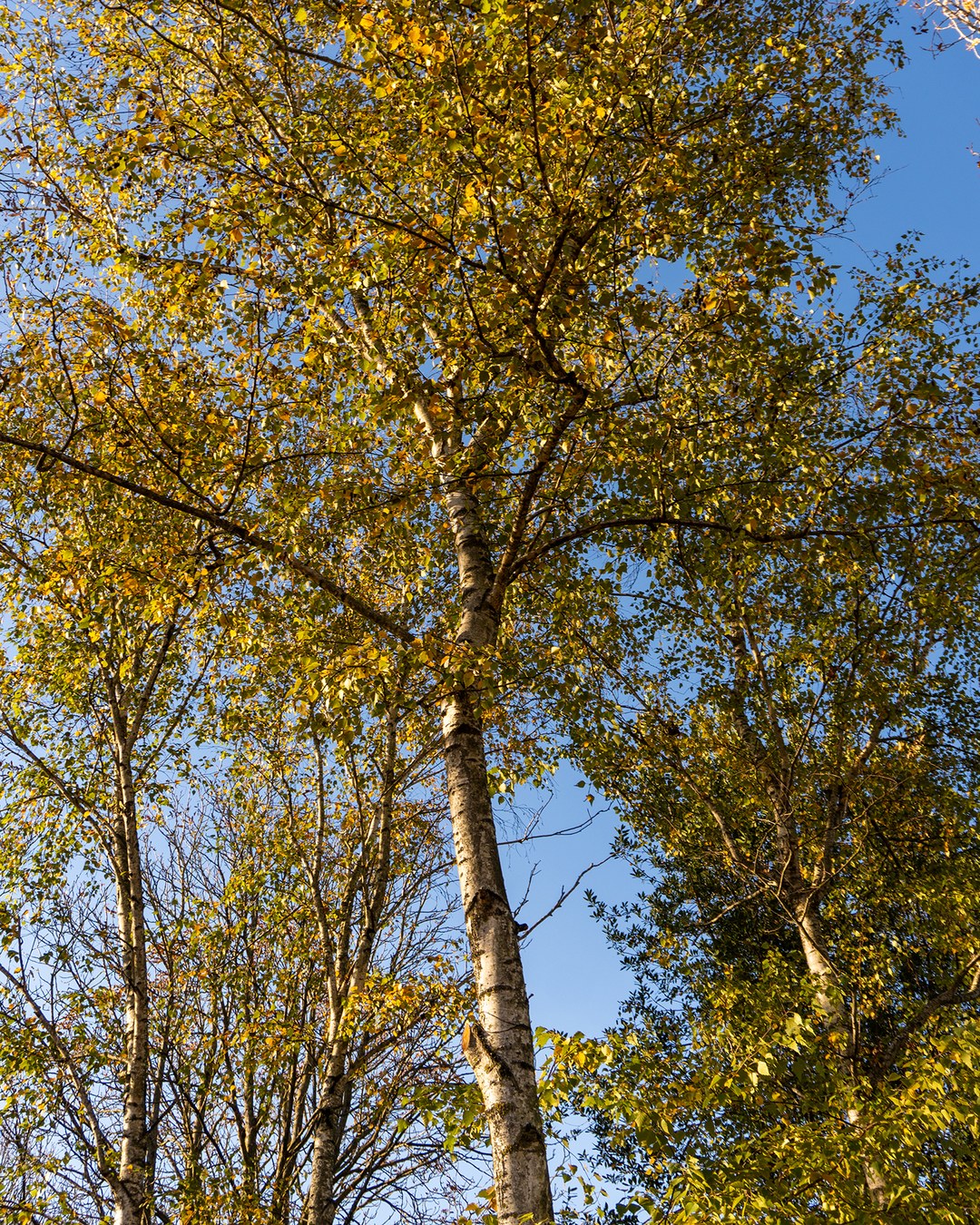
Commonly known as silver birch, Betula pendula is a fast-growing native tree with white bark and a light, open canopy that lets plenty of light through to the ground below. It is a pioneer species, among the first trees to colonise open ground, and grows well on light, sandy and acid soils that would not support more demanding trees. It gives quick results on poor ground and looks best planted in groups, in full sun.
Pinus sylvestris
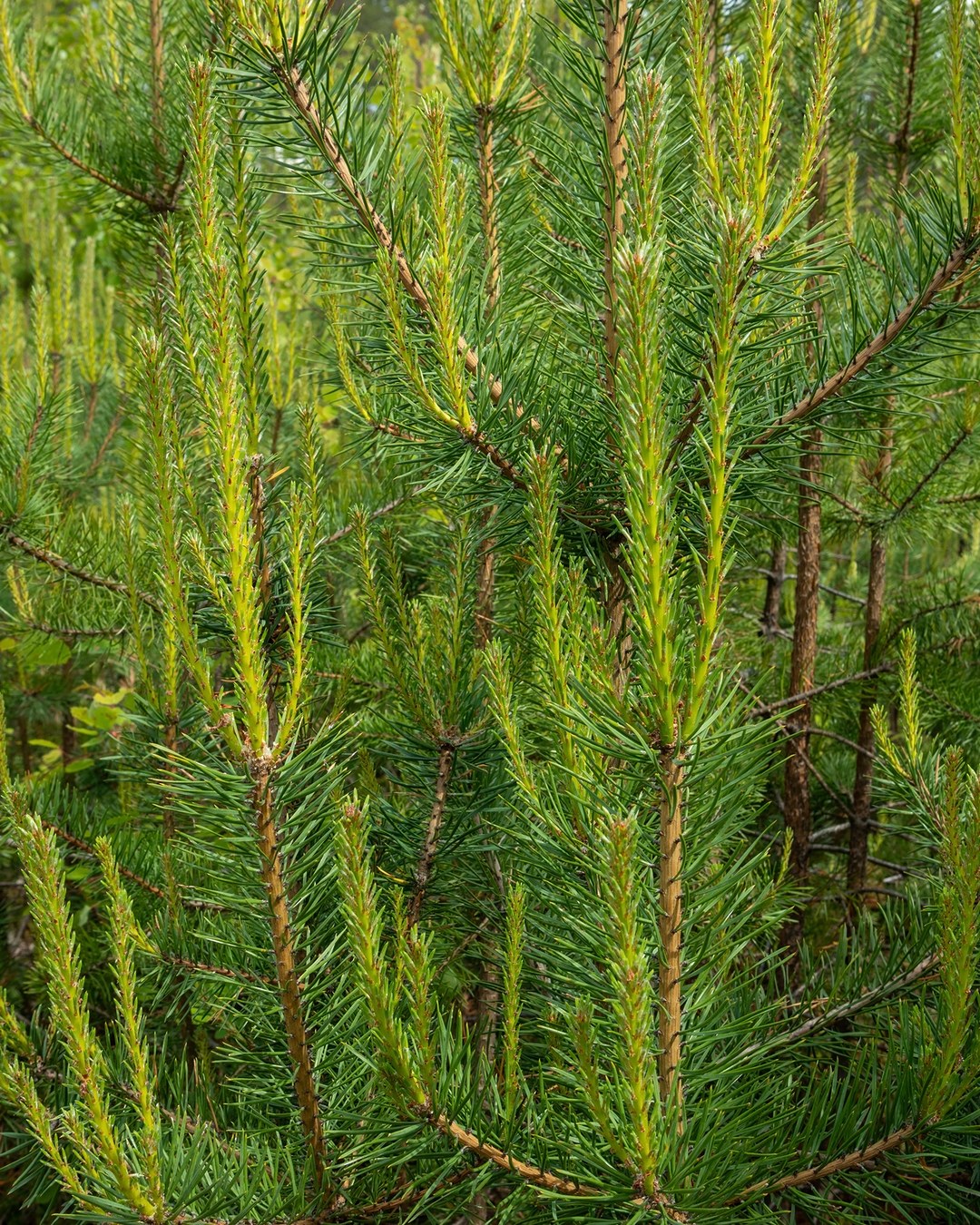
Commonly known as Scots pine, Pinus sylvestris is one of only three conifers native to Britain, with blue-green needles and orange-red bark on the upper trunk. It thrives on dry, sandy and acid soils and copes with exposure, giving evergreen structure through the winter where most native trees are bare. A strong choice for heathland edges, sandy sites and shelter planting, provided it has full sun and free-draining ground.
Crataegus monogyna
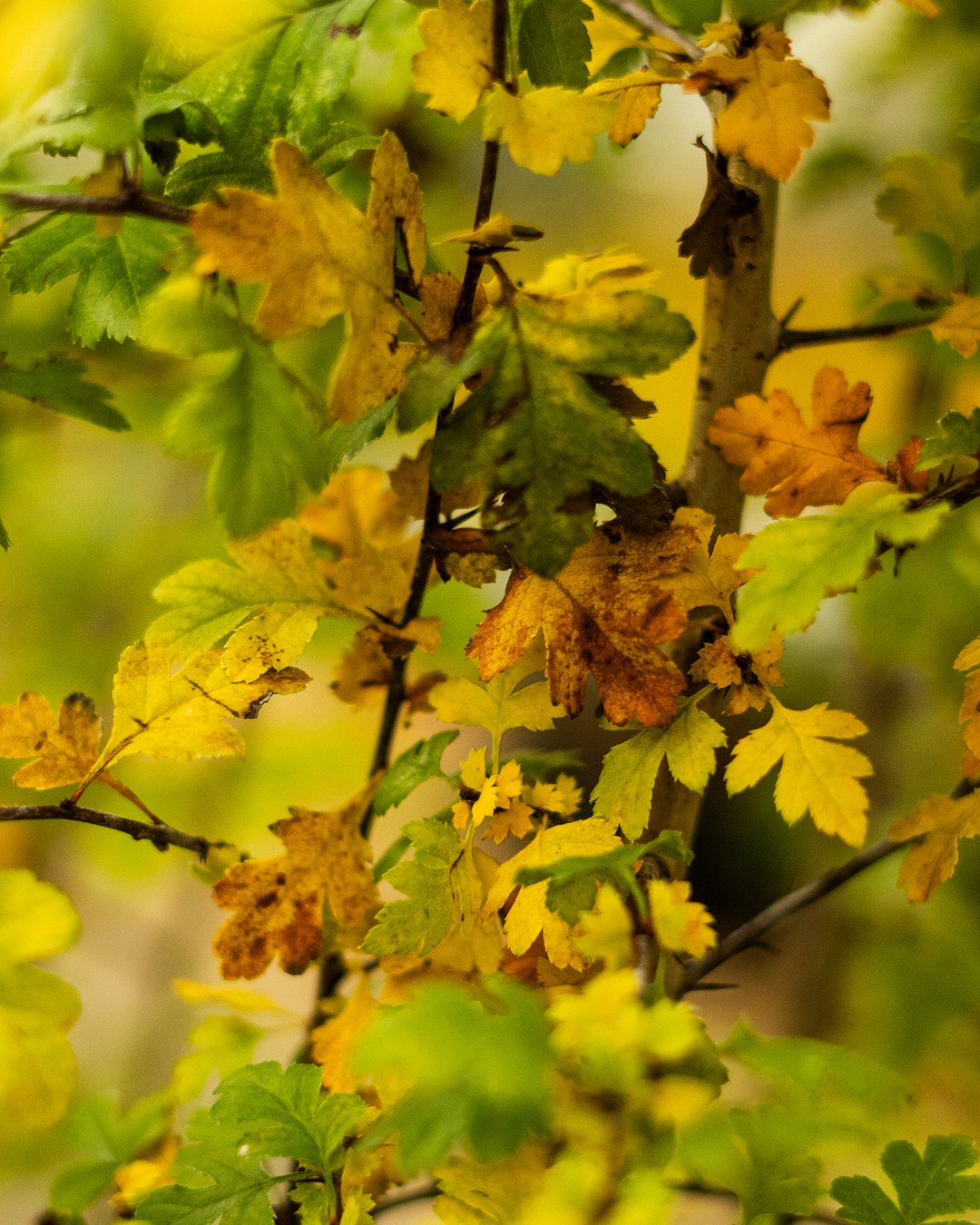
Commonly known as hawthorn, Crataegus monogyna is a tough, thorny native tree that grows in almost any soil and tolerates exposure and wind. White blossom in May provides pollen and nectar for insects, and the red haws that follow are eaten by thrushes and other birds through the autumn. Planted as a small tree or as the backbone of a native hedge, it is one of the most reliable trees for difficult ground, and responds well to cutting.
Choosing the planting stock
Young native trees are usually planted as bare-root whips, slender unbranched trees typically under a metre and a half tall, or as larger standards with a clear stem. Whips are inexpensive, easy to plant in large numbers and quick to establish, which makes them well suited to community, hedgerow and woodland planting. Standards give an immediate presence in streets, parks and gardens, but need staking and more careful aftercare.
Bare-root trees are only available while they are dormant in winter, and rootballed trees through autumn and winter, with the season for both running until the end of April. Container-grown trees can be planted at any time of year, though autumn and winter planting still gives them the easiest start because they need less watering. Smaller stock generally settles faster than large trees, a point covered in our earlier blog, Getting new planting through its first three years.
On delivery, check that the roots are moist, fibrous and free from damage, and that container-grown roots are not circling tightly around the pot. Bare roots dry out quickly once exposed to the air, especially in wind, so keep them covered until the moment of planting. If planting has to wait, the trees can be heeled into a trench with the roots covered in soil.
Planting a tree well
The RHS recommends a planting hole at least three times as wide as the root system but no deeper than the roots themselves, with the sides broken up so the roots can grow outwards. Adding organic matter to the bottom of the hole brings little benefit and can cause the tree to sink as it breaks down, and fertiliser is not needed at planting.
The point where the roots begin to flare out from the trunk should sit level with the finished soil surface. Planting too deep restricts the air supply to the roots and leaves the trunk more prone to disease, and it is one of the easiest mistakes to avoid. Bare roots should be soaked for about half an hour beforehand and spread out in the hole, and the soil worked back between them and firmed gently to remove air pockets.
Trees under about 140cm tall rarely need a stake. Larger trees usually do for the first couple of growing seasons, with a single short stake for bare-root trees and a double stake for rootballed and container-grown trees, and ties that let the trunk move slightly in the wind without rubbing the bark. Where rabbits or deer are present, a guard or shelter protects the stem until the tree has outgrown the risk.
The first three years
A young tree spends its first few years growing roots out into the surrounding soil, and until it has done so it depends on the moisture close to the trunk. Keeping a circle at least 1.2m across free of grass and weeds for the first three years, and covering it with a layer of mulch that stops short of the stem, gives the roots the best possible chance. In long dry spells during the growing season the tree may need watering, and our earlier blog sets out how much and how often.
Checking trees after storms and hard frosts, loosening ties as the trunk thickens, and removing stakes once the tree is stable all help it on its way.
National Tree Week is a good moment to think about the trees going in this winter. A tree chosen for its site, planted at the right depth and looked after through its first few summers has every chance of being there for generations. In time, the hedgerows and small woodlands planted by community groups this season will give shade to school grounds, blossom for pollinators, berries for birds, and new places for neighbours to walk and meet.
For more information about choosing and caring for newly planted trees, speak to the G Team today.